
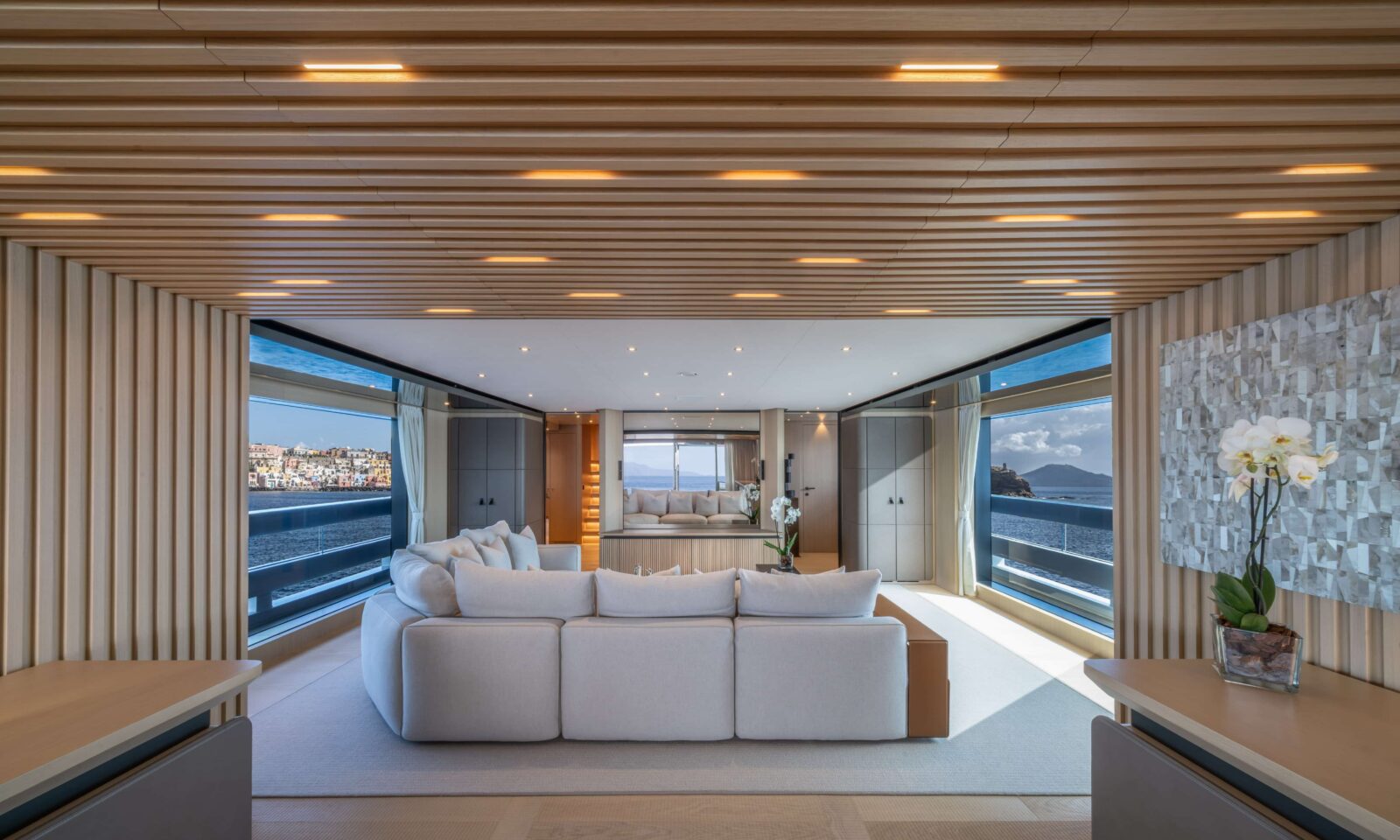

How a yacht feels is something we always pay attention to, yet it can be one of the hardest things to put into words.
Sometimes you step onboard and immediately relax. Another yacht can be just as spectacular in design and yet leave a different impression. The light, the layout, the materials, the proportions, even the view can change the experience. It is rarely one feature but the sum of many small decisions that the body registers before the mind can explain them.
What is neuroarchitecture?
Neuroarchitecture is the study of how our brains and nervous systems respond to the spaces around us. It draws on neuroscience, psychology and design to ask why some environments calm us, energise us or put us on edge and how designers can shape that deliberately.
Perhaps without realising it, matching a client to a yacht has always involved some of this thinking. When we talk through how someone likes to start their day and where they go to unwind, we are really talking about how they want to feel onboard.
Why it matters on a yacht?
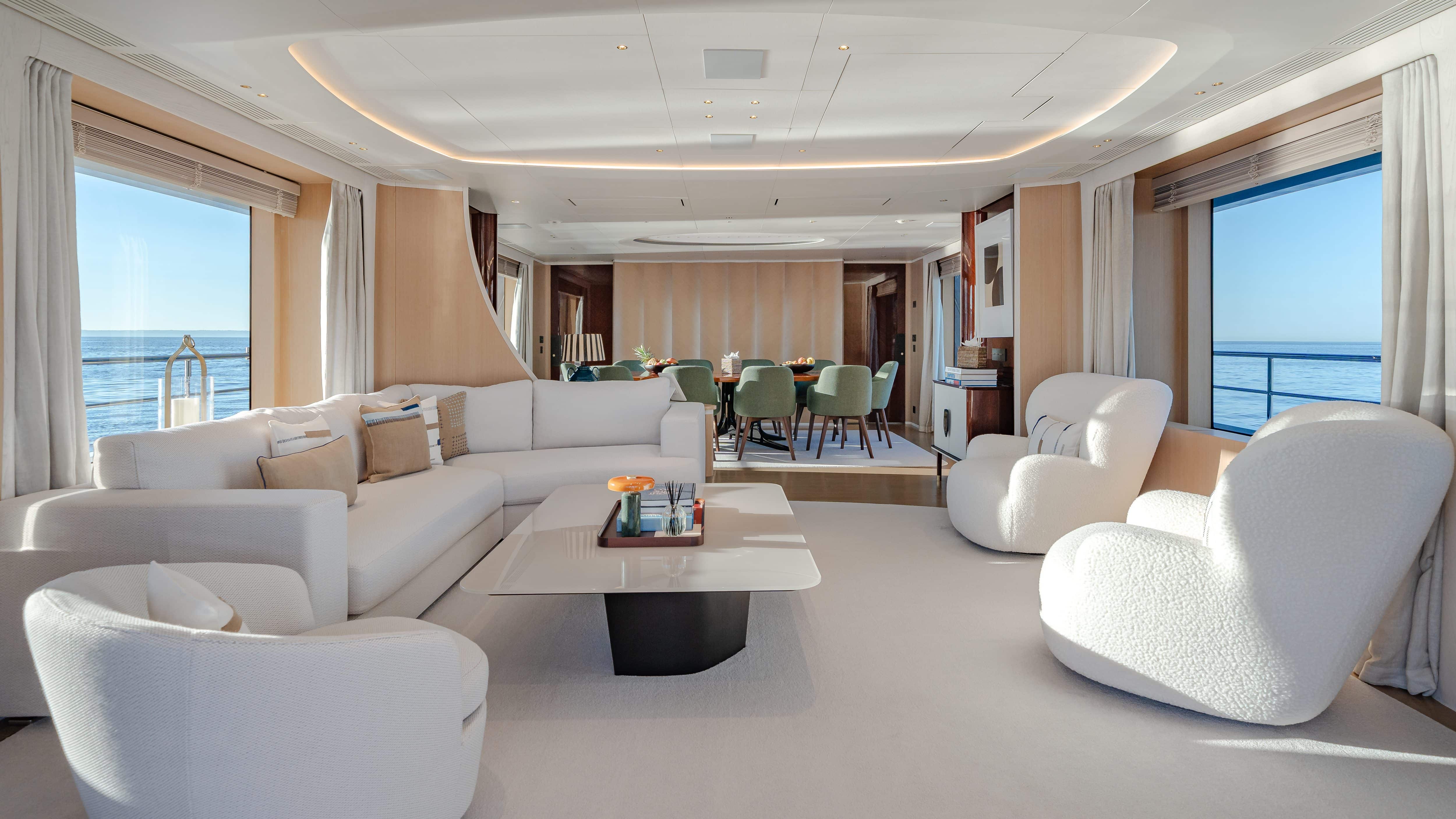
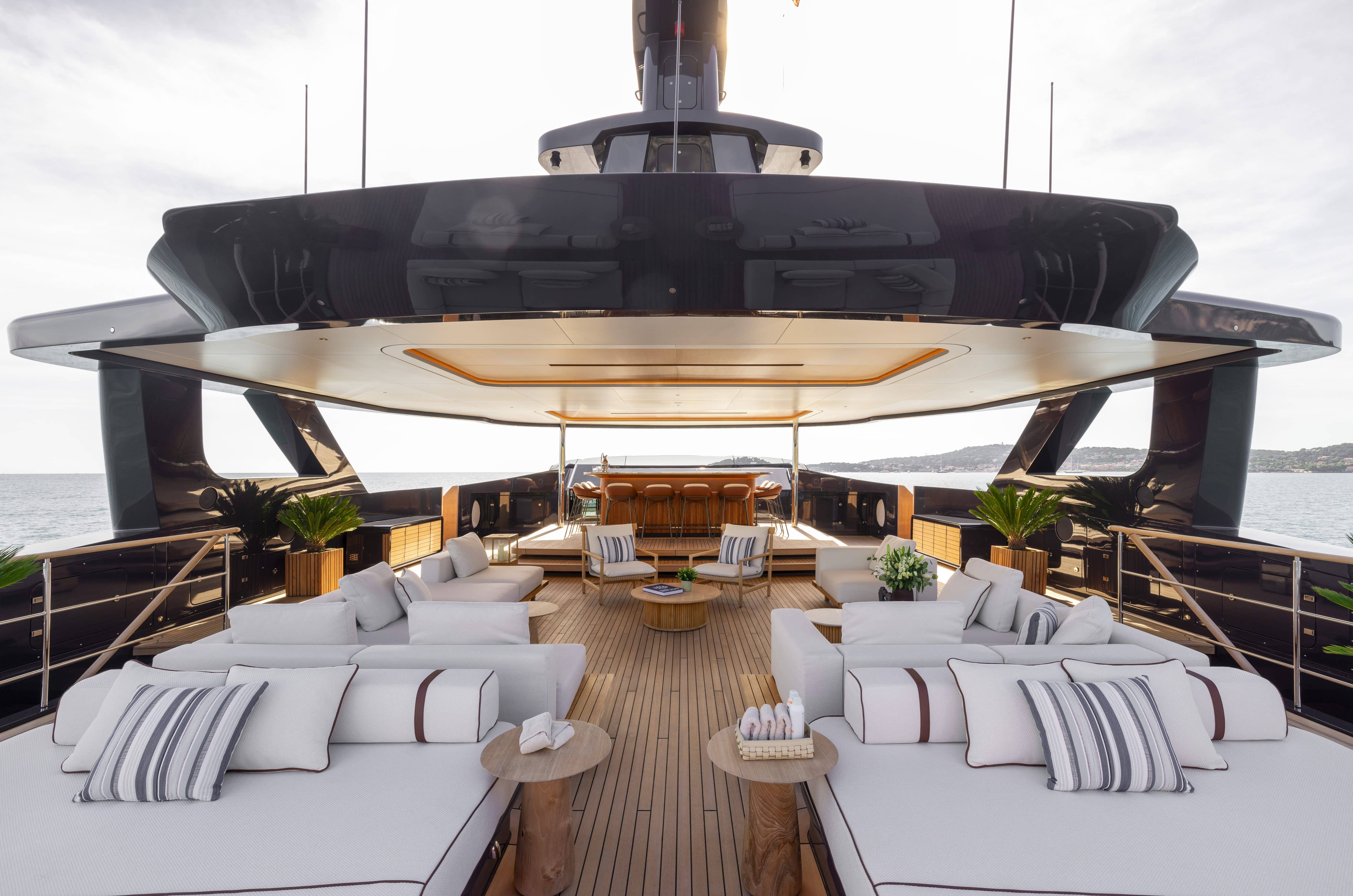
Most buildings are places we move through. A yacht is somewhere guests may spend a few days or weeks, with the same surroundings day after day. Small details that would pass unnoticed in a hotel stay become part of every hour.
Light is often the starting point. Its quality, direction and the way it shifts through the day can all influence mood, alertness and sleep. Layout and proportion work alongside it. Ceiling heights, sightlines and the way spaces flow into one another decide whether a room feels open and calm or crowded, and many people instinctively favour a spot with a wide view.
What we hear matters too. Engine noise, water, ventilation and the way a space echoes all affect rest, conversation and concentration, usually unnoticed until it is wrong. Scent and taste are the most personal senses of all and among the strongest triggers of memory and mood, which is why a place can stay with you long after you have left it.
Where this is already happening?
Neuroarchitect Fiona Beenkens spoke about the impact of these design decisions at the recent Superyacht Design Festival in Austria, a useful reminder of how relevant this thinking is to yacht design. Neuroarchitecture gives these ideas a framework and a vocabulary and we expect to hear a lot more of it as clients place ever greater value on how a yacht makes them feel, not just how it looks.
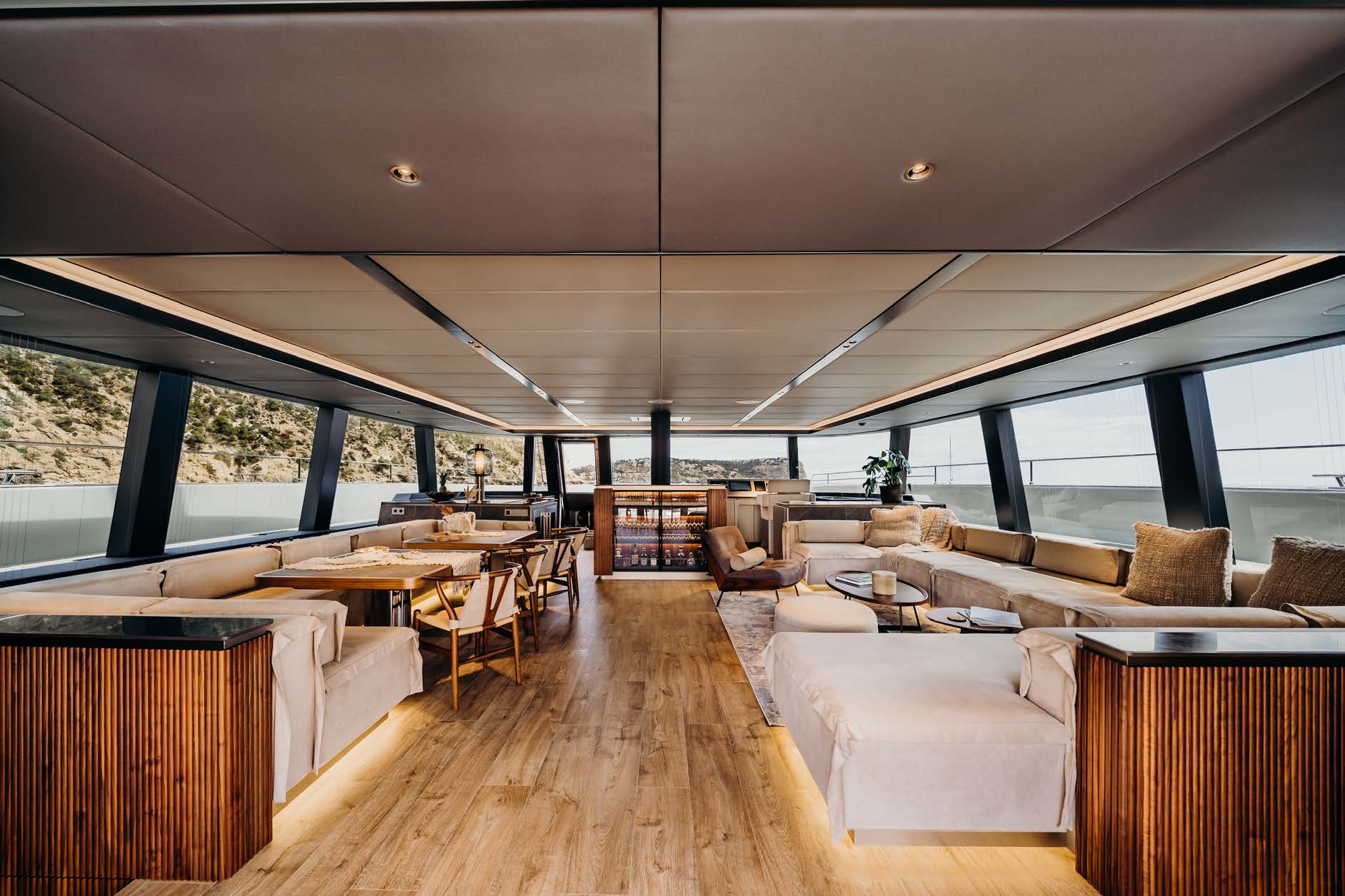
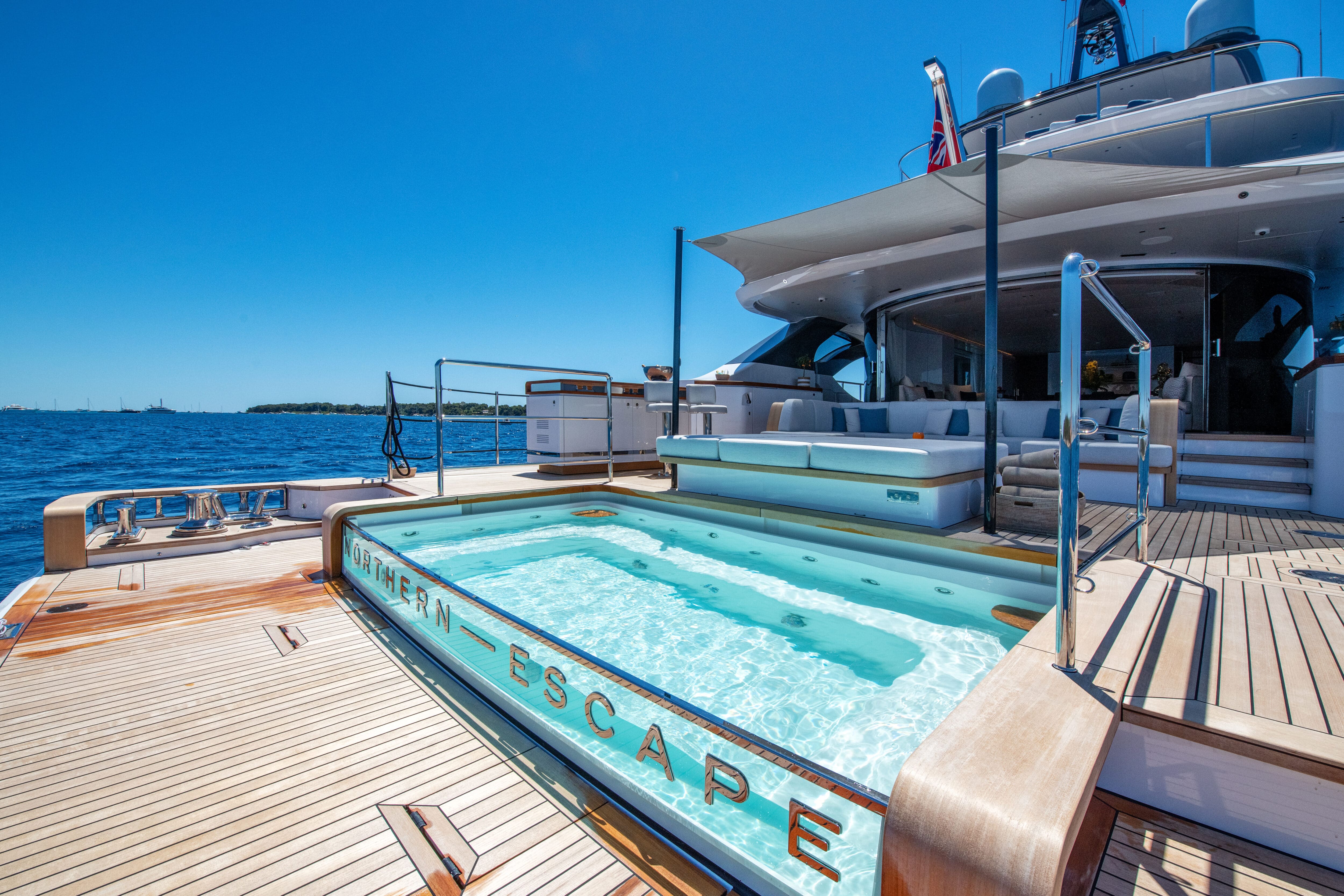
The subtle art of noticing
The best way to understand how a yacht feels is to step onboard. Notice how the morning light settles in the saloon, how quiet the cabin is and where your eye is drawn when you look out to sea. Discover the superyacht that fills you with a sense of calm the moment you step onboard.