


For many years, sustainable superyachting was spoken about as something on the horizon, a promising idea but not yet a practical reality. Today, that conversation has changed. Across the industry, eco innovation is moving from concept to implementation, with new fuels, smarter energy systems, quieter technology and more responsible onboard operations re-shaping what luxury at sea can look like.
For today’s yacht owner, luxury is no longer defined by scale alone. Its defined by intelligence, innovation, discretion and responsibility.
Alternative Fuels: Hydrogen, Methanol and HVO
One of the most exciting developments in the superyacht world is the rise of alternative fuels. Hydrogen, methanol and hydrotreated vegetable oil (HVO) are no longer experimental talking points, they are becoming part of the present conversation for yacht builders, owners and crew.

The launch of Feadship’s BREAKTHROUGH marked a major milestone as the world’s first hydrogen fuel-cell superyacht. A hydrogen fuel cell is a clean-energy system that converts hydrogen into electricity through a chemical reaction rather than combustion, resulting in lower local emissions. BREAKTHROUGH provides clear evidence that the industry can integrate cleaner technology without diminishing comfort, capability or ambition.
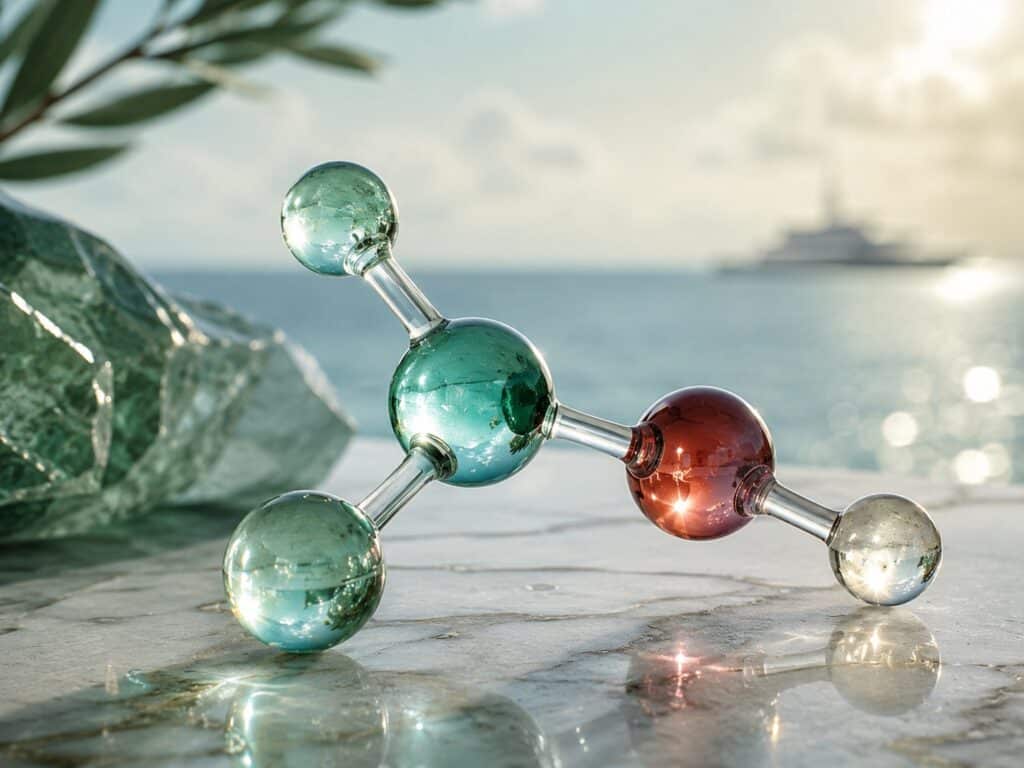
The real battleground for superyachts is hotel load, not just propulsion. For superyachts, a major source of energy demand often comes from the power needed while guests are living on board, air conditioning, refrigeration, lighting, spas, galley systems, and entertainment. Some industry estimates suggest that 70–80% of a yacht’s annual energy use can go to hotel load. Within this same conversation around alternative energy, green-methanol reformer fuel cells offer a different but equally important approach, transforming methanol into hydrogen and then into electricity. Sanlorenzo’s 50Steel ALMAX is a pioneering example of this technology in practice. The system allows the yacht to generate electricity for hotel services with the main engines and diesel generators switched off, reducing noise, vibration and local emissions while preserving the seamless luxury experience on board.
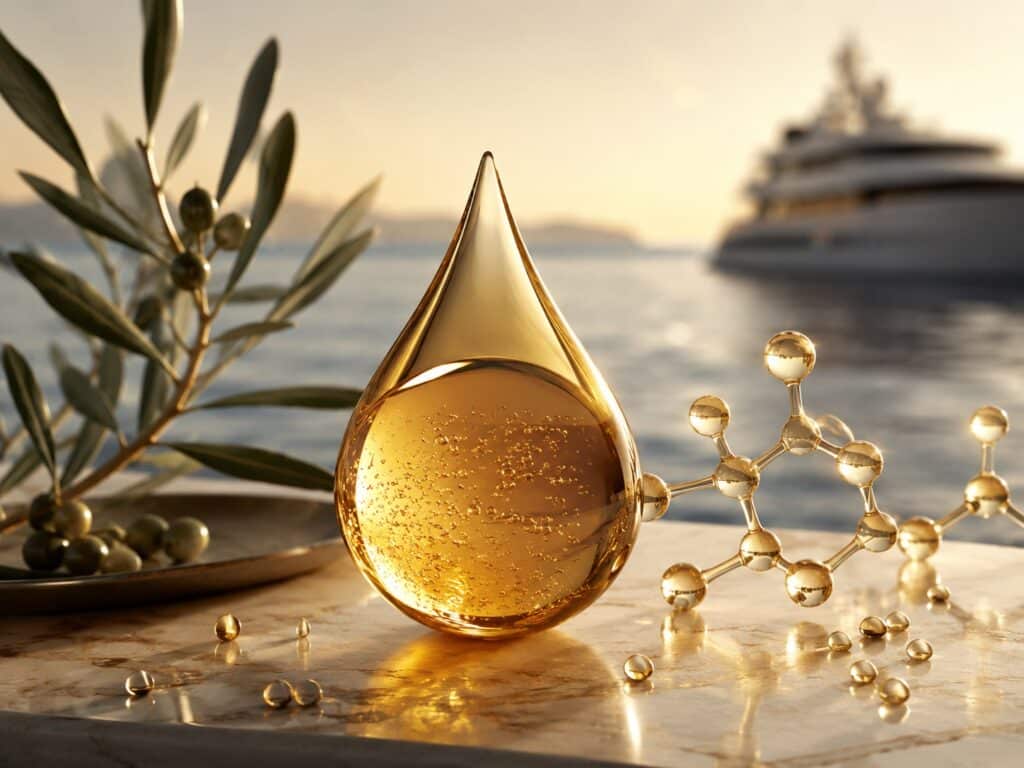
HVO is one of the most talked-about innovations in the industry at the moment, evolving into one of the most practical alternative fuels currently available. Unlike some alternative fuels that require new engines, infrastructure or major technical changes, HVO can often be used as a drop-in replacement for conventional diesel, making it a realistic option for both new builds and the existing fleet. Its environmental appeal lies in the way it is produced. Rather than relying on fossil crude oil, HVO can be made from renewable waste and residue materials such as used cooking oil, animal fats and other by-products. Sanlorenzo’s 44m LAMMOUCHE was the first yacht to switch to this biofuel. The yacht took delivery of its first 15,000 litres of second-generation HVO biofuel in La Seyne-sur-Mer on November 7, 2022. Showing how far fuel innovation has come. Materials once treated as waste can now be refined into a high-quality fuel capable of reducing lifecycle greenhouse gas emissions by up to 90%. For yachts, it offers an immediate and achievable step towards lower-impact cruising.
Hybrid Systems and Quieter Cruising
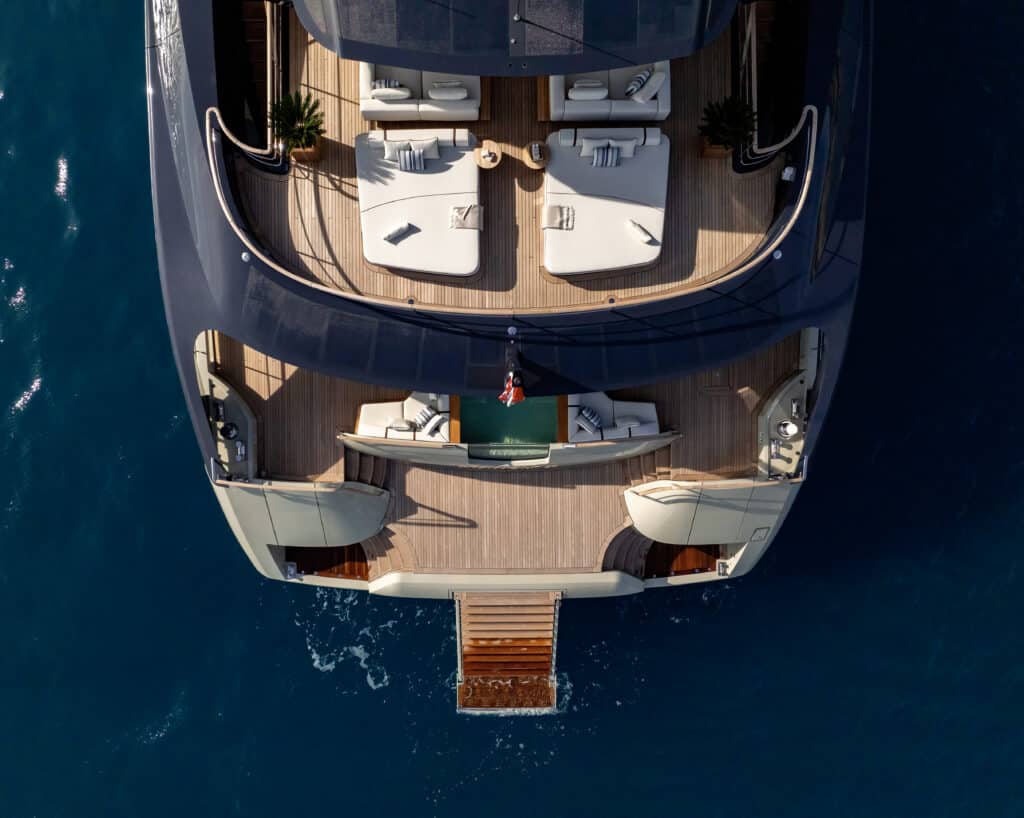
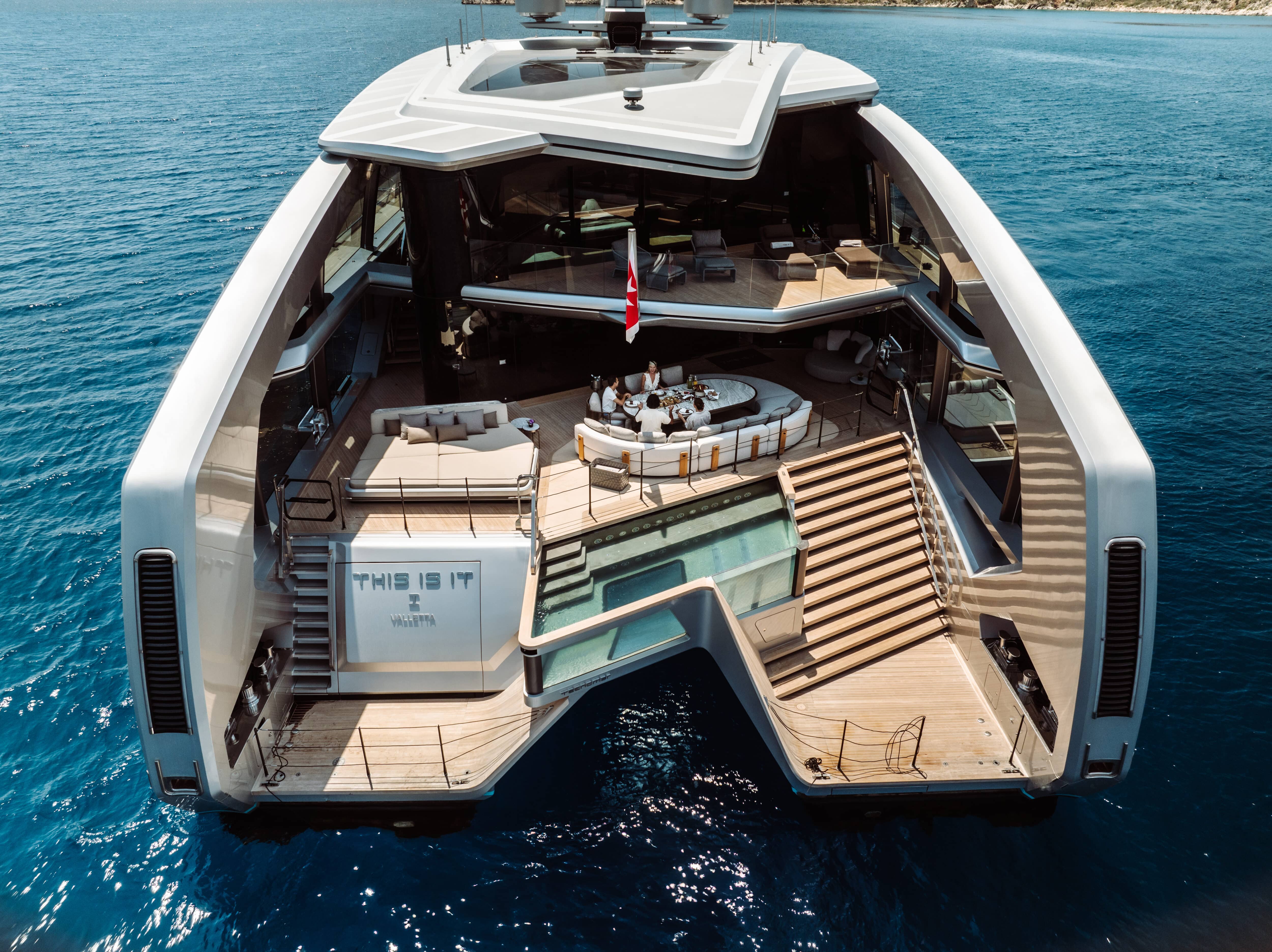
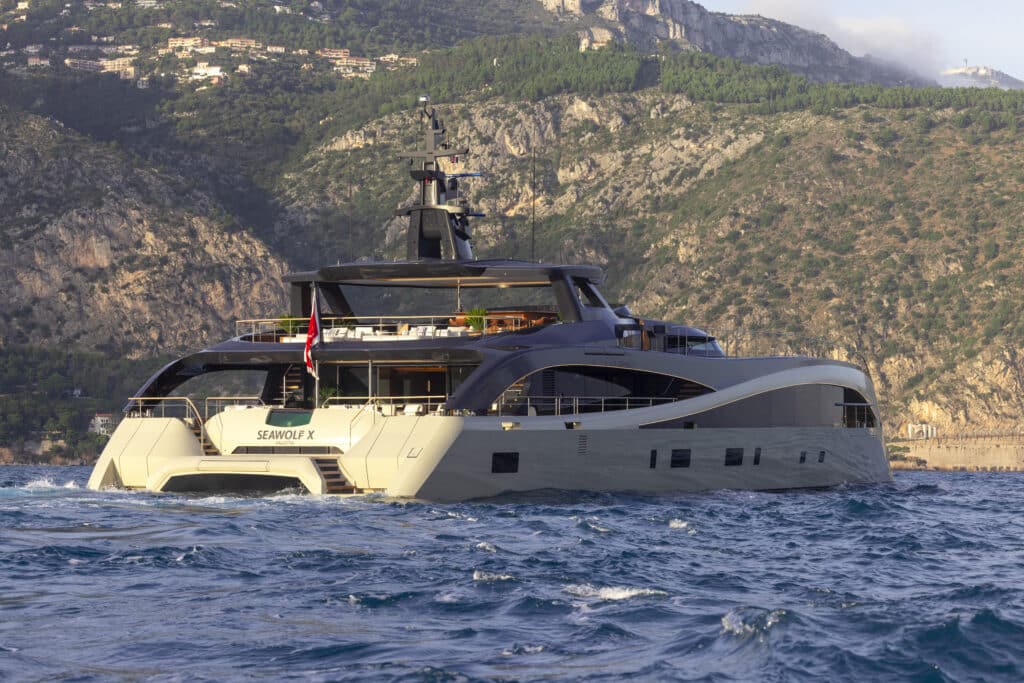
Hybrid and diesel-electric systems also have an important role to play. These technologies allow yachts such as SEAWOLF X to operate more efficiently, using a combination of batteries, electric motors and traditional generators to manage energy more intelligently. For owners and charter guests, the appeal is not only environmental; hybrid operation can reduce noise, decrease vibration and enhance the comfort of cruising.
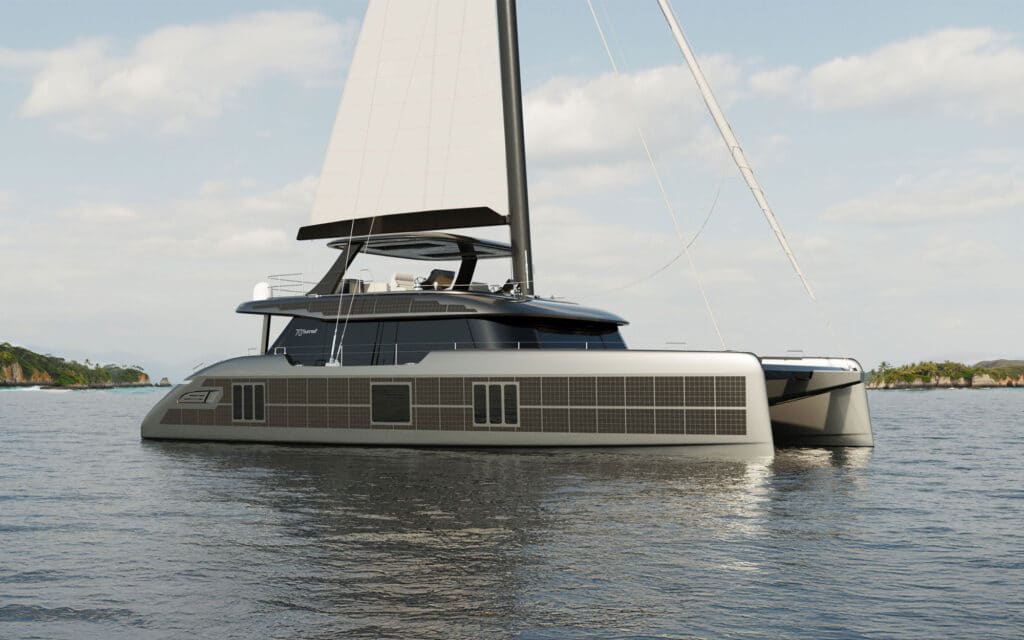
The Sunreef Eco range also highlights the way the luxury yachting mindset is changing. This range of eco catamarans is a strong example of how sustainability can be built into the entire yacht concept. Innovations such as solar-integrated surfaces, advanced battery banks, hydrogeneration and intelligent energy management show how yachts can harvest and optimise renewable energy while maintaining comfort and performance.
Sustainability Beyond Propulsion
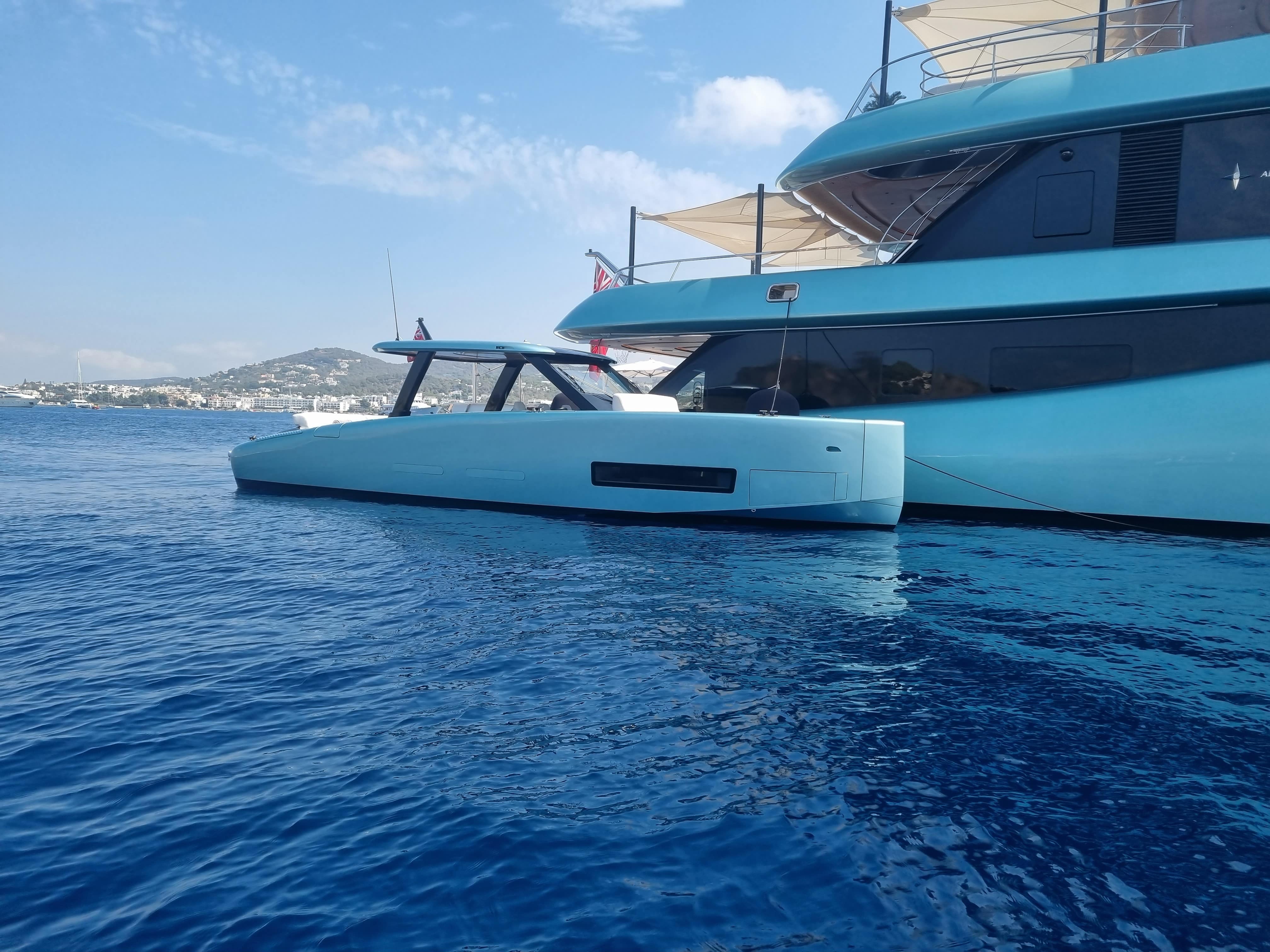
Eco-conscious thinking is also extending beyond the yacht itself. Owners and crew are increasingly looking at the environmental impact of tenders, chase boats and water toys. Electric tenders, quieter Seabobs, e-foils and Fliteboards all help reduce noise, fumes and disturbance in anchorages. This creates a more peaceful experience for guests while also being kinder to the marine environment.
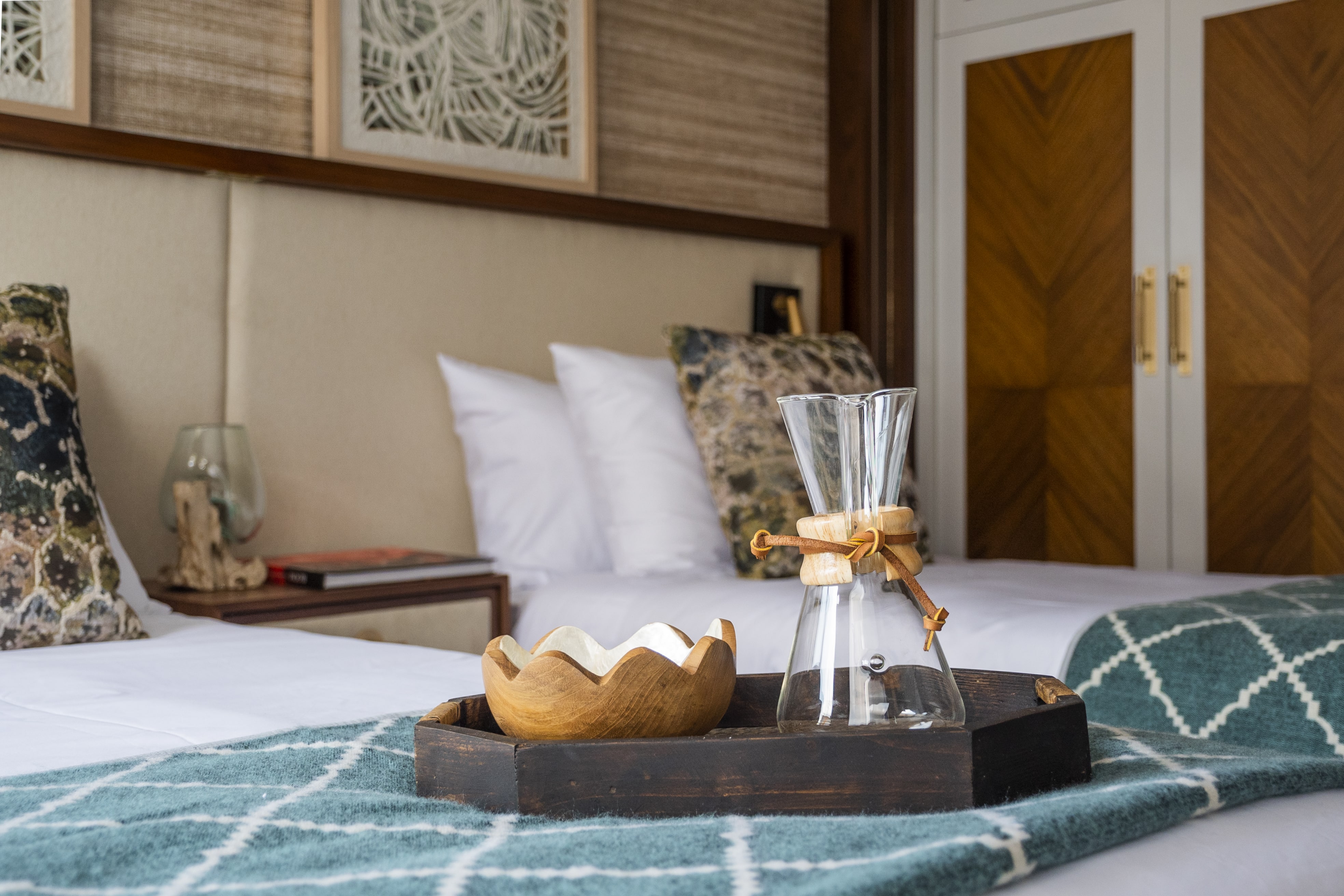
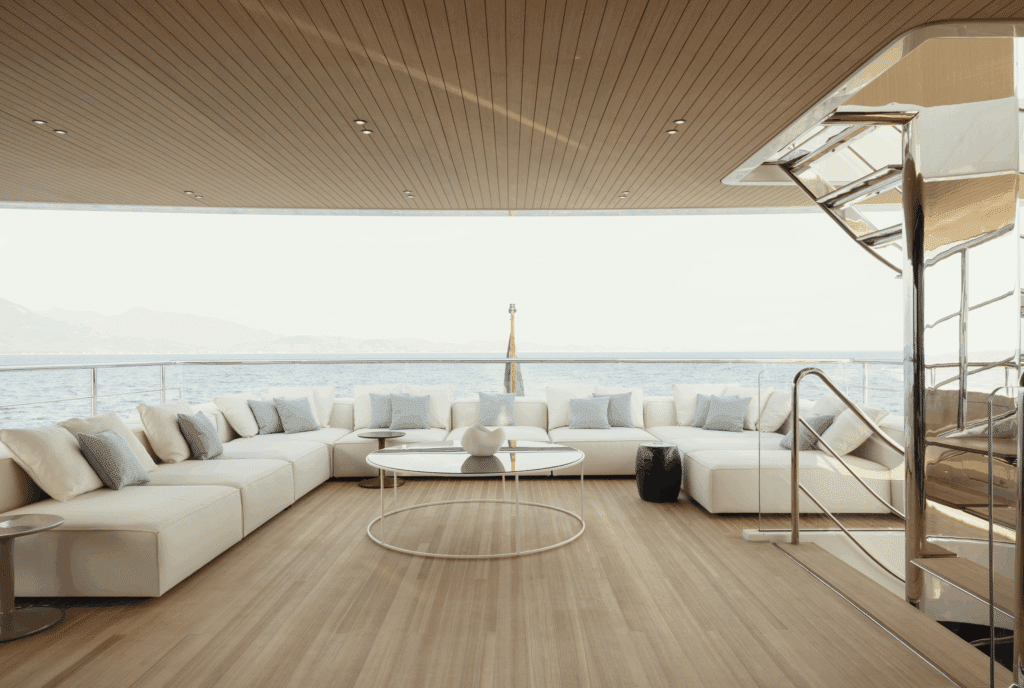
Onboard operations are changing too. The industry is moving away from single-use plastics, with more yachts installing water filtration systems to provide high-quality drinking water. Refillable bottles, reduced plastic packaging and more considered provisioning are simple but meaningful steps that captains and crew can introduce without compromising the experience on board. In addition to changes onboard, exterior materials are also evolving. Long valued for its durability, natural grip and elegant finish, teak remains one of the most desirable materials for yacht exteriors. However, growing awareness around deforestation and the protection of tropical forests has encouraged owners, designers and shipyards to seek more sustainable options. This is where the idea of green teak becomes important. This can include responsibly sourced plantation teak, reclaimed teak or certified timber with a traceable supply chain, allowing yachts to retain the refined character of traditional decking while making a more conscious choice for the environment.
The Timless Appeal of Sailing Yachts
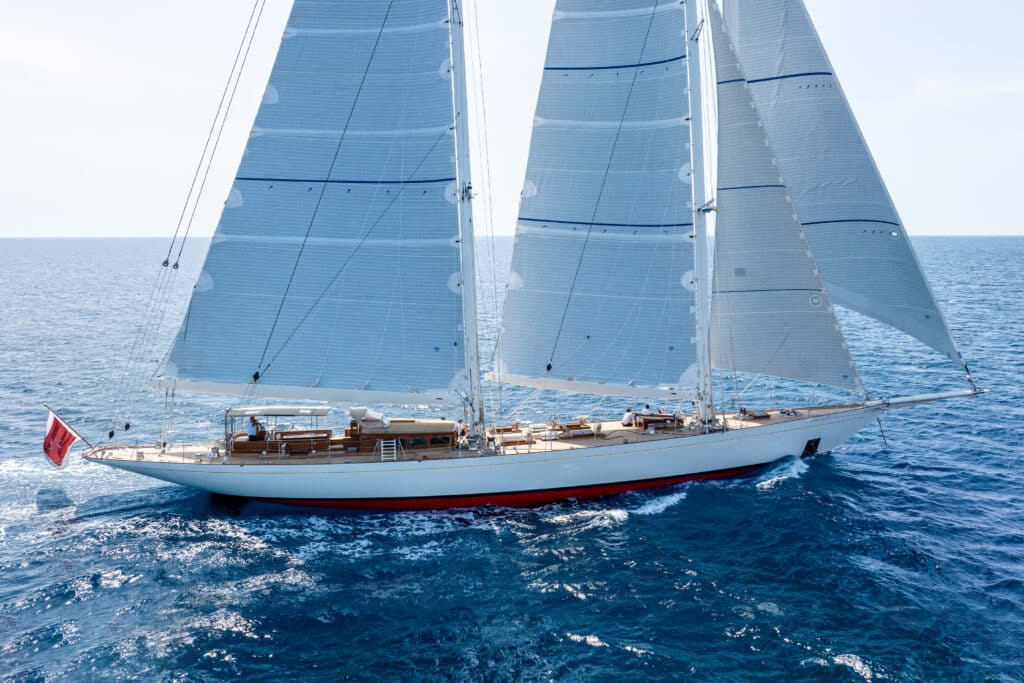
Perhaps the most timeless eco option of all is the sailing yacht. Using wind as the primary source of propulsion, sailing yachts naturally represent a more efficient and environmentally conscious way to experience the sea. When combined with modern battery systems, solar panels, hydrogeneration and responsible onboard practices, they offer a compelling vision of luxury that works with nature rather than against it.
The future of sustainable yachting will not be defined by one single solution. It will be shaped by a combination of cleaner fuels, smarter energy use, better design, responsible operations and a shift in mindset. At Yomira, we believe enjoying the ocean comes with a responsibility to help protect it. That is why we continue to do our part by supporting and partnering with projects we believe are working to make the ocean a cleaner, healthier and more protected place for future generations.
Please take the time to visit our Your Ocean page to discover the projects we are proud to support.